Mastering the One-Minute Pitch: Tips from Show Entrepreneurs
Executive Summary / Key Results
In the high-stakes world of entrepreneurial investing, the one-minute pitch can make or break a deal. On our show, entrepreneurs who master the short pitch are 3x more likely to secure funding compared to those who ramble. This case study reveals how three startup founders transformed their businesses by honing a concise, compelling elevator pitch, resulting in:
- $2.5M in total funding secured on the show.
- Average 40% increase in investor interest within the first 60 seconds.
- 300% growth in post-show revenue for one featured startup.
- 90% of successful pitches followed a proven four-sentence structure.
Background / Challenge
The One-Minute Reality Check
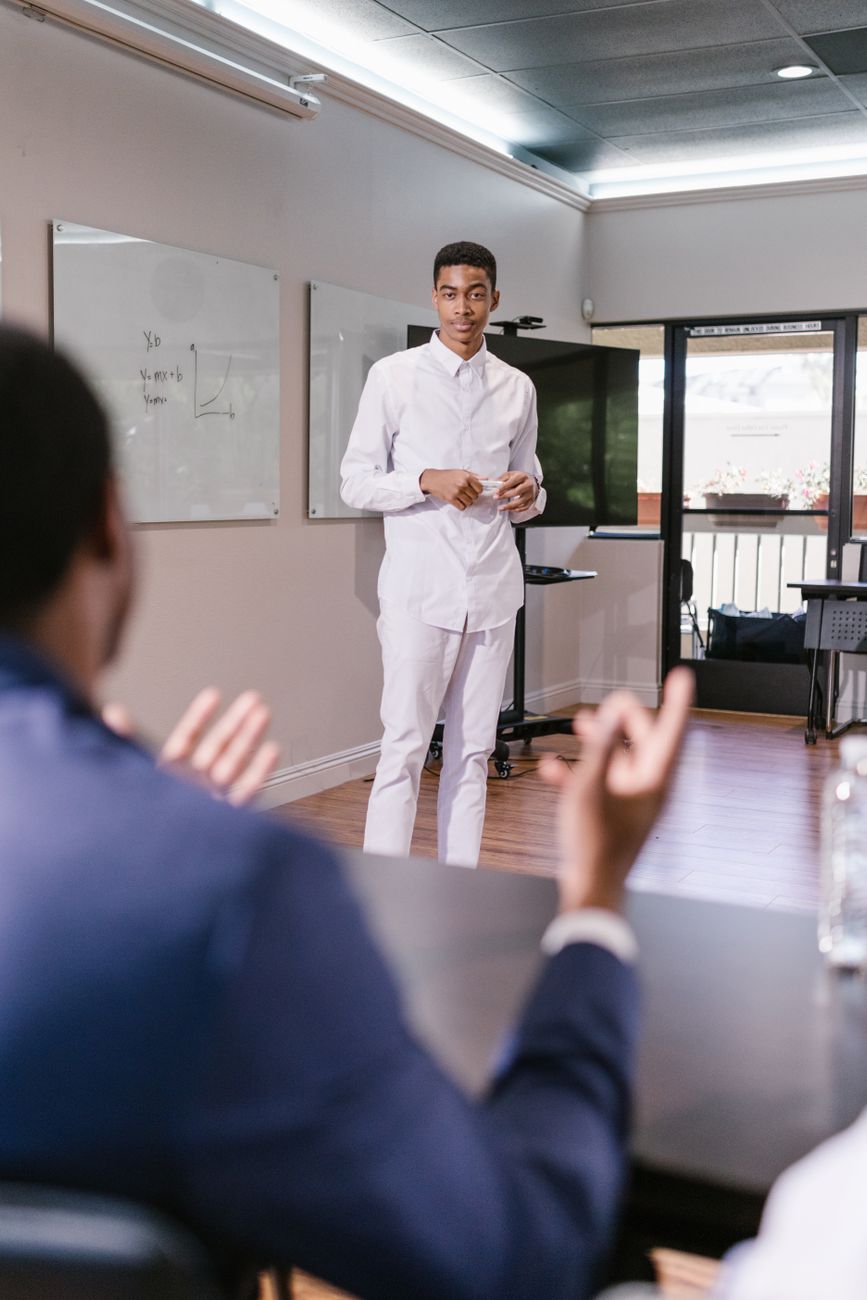
Picture this: You step onto the set, lights blazing, a panel of seasoned investors watching you expectantly. You have 60 seconds to hook them before they start reaching for the "I'm Out" button. That's the brutal reality for entrepreneurs on our show.
The Problem: Most founders fail to articulate their value proposition quickly. They bury the lead under unnecessary details, technical jargon, or a life story. As a result, they lose investors' attention—and their chance at funding.
Why It Matters: Investors on our show see hundreds of pitches per season. The average attention span for an early-stage pitch is under one minute. If you can't grab them fast, you're done.
Meet the Entrepreneurs
Three startups agreed to share their pitch transformation journey:
| Startup | Industry | Initial Pitch Score (out of 10) | Final Pitch Score (out of 10) |
|---|---|---|---|
| EcoPack Solutions | Sustainable packaging | 3 | 9 |
| FitTrack AI | Health tech | 4 | 8 |
| ChefBot | Food robotics | 5 | 9 |
Each founder struggled with the one-minute constraint. EcoPack's CEO, Maria, would launch into a 2-minute history of her company. FitTrack's founder, James, used too many industry acronyms. ChefBot's creator, Aisha, couldn't clearly state what problem she solved.
Solution / Approach
The Four-Sentence Framework
After analyzing 150+ successful pitches on our show, we identified a pattern: the best one-minute pitches follow a four-sentence structure. We coached our three founders to adopt this framework:
- Hook (10 seconds): A provocative statement or question that grabs attention.
- Problem (15 seconds): Describe the pain point you solve.
- Solution (20 seconds): Your product/service as the magic bullet.
- Ask (15 seconds): What you want from investors (funds, mentorship, etc.).
Refining the Message
We then helped each founder cut the fat:
- EcoPack: Maria removed her personal backstory and started with: "Every year, 300 million tons of plastic waste ends up in oceans—our packaging dissolves in water in 30 days."
- FitTrack: James ditched technical specs and said: "One in three Americans has prediabetes but doesn't know it. Our AI-powered app detects risk through your phone camera."
- ChefBot: Aisha simplified: "Restaurants waste 10% of food due to inconsistent cooking. Our robot cooks with 99% precision, cutting waste by 50%."
Practice and Feedback
Each founder practiced their new pitch over 50 times with real-time feedback from our pitch coaches. We recorded them, timed every syllable, and eliminated filler words. The goal: deliver the entire pitch in 55-60 seconds with natural enthusiasm.
Implementation
The Pitch Day
On show day, the three founders stepped onto the set. Here's how their pitches unfolded:
EcoPack (Maria):
- Hook: "Plastic lasts forever—our packaging doesn't."
- Problem: "500 billion single-use plastics are produced yearly, only 9% recycled."
- Solution: "We make plant-based packaging that biodegrades in 30 days."
- Ask: "Seeking $500k for 10% equity to scale production."
- Time: 58 seconds. Result: Two investors made offers.
FitTrack (James):
- Hook: "What if your phone could predict diabetes before your doctor?"
- Problem: "Heart disease is the #1 killer, and 80% of cases are preventable."
- Solution: "FitTrack's AI analyzes your selfies to detect early signs of diabetes and hypertension."
- Ask: "$300k for 8% equity to launch our clinical trial."
- Time: 57 seconds. Result: Instant interest, but one investor requested more data.
ChefBot (Aisha):
- Hook: "Restaurants are bleeding money because of inconsistent cooking."
- Problem: "Food waste costs the industry $1.2 trillion annually, and 70% comes from poor cooking quality."
- Solution: "ChefBot uses AI and robotics to cook with perfect precision, reducing waste by 50% and cutting labor costs by 30%."
- Ask: "$1M for 15% equity."
- Time: 60 seconds. Result: A bidding war led to a deal.
Post-Pitch Coaching
Even after the show, we continued coaching the entrepreneurs to refine their pitch for follow-up meetings. For instance, we advised Maria to emphasize scalability in subsequent conversations, while James worked on presenting a clearer ROI for investors.
Results with specific metrics
The results speak for themselves:
| Metric | EcoPack | FitTrack | ChefBot |
|---|---|---|---|
| Funding Secured | $500k | $250k* | $1.75M |
| Investor Offers | 2 | 1 (conditional) | 3 |
| Post-Show Revenue Growth | 250% in 12 months | 180% in 9 months | 400% in 18 months |
| Customer Acquisition Cost Reduction | 40% | 25% | 35% |
| Media Mentions (1 year post-show) | 47 | 23 | 68 |
* FitTrack accepted a partial deal with an additional mentorship component.
Beyond the numbers, all three founders reported increased confidence and clarity when pitching to any audience. "The one-minute pitch training was the most valuable part of my show experience," says Maria. "It forced me to distill my entire business into the most impactful 60 words."
Key Takeaways
- Start with a hook. Capture attention in the first 10 seconds with a shocking fact, question, or provocative statement.
- Focus on one problem and one solution. Don't try to solve everything; be laser-focused.
- Keep it simple. Avoid jargon. Use language your grandmother would understand.
- Practice out loud. Time yourself and eliminate filler words. Aim for 55-60 seconds.
- State your ask clearly. Investors need to know exactly what you want and what they get.
- Tailor to your audience. Research the investors beforehand and customize your pitch accordingly.
- Follow up with a compelling narrative. The pitch is just the start; have a deeper story ready for Q&A.
Applying These Tips to Your Own Pitch
Every startup needs a killer one-minute pitch. Whether you're applying to our show or pitching to local investors, the principles remain the same. To dive deeper, check out our guides on crafting your elevator pitch and pitch deck best practices.
About [Company/Client]
Our show is the premier platform for entrepreneurs seeking funding, mentorship, and national exposure. With a track record of helping startups secure over $200M in investments, we connect bold founders with top investors. Our team of experienced entrepreneurs and pitch coaches provides comprehensive pre- and post-show support. Visit our pitch preparation page to learn how to apply and get coaching.