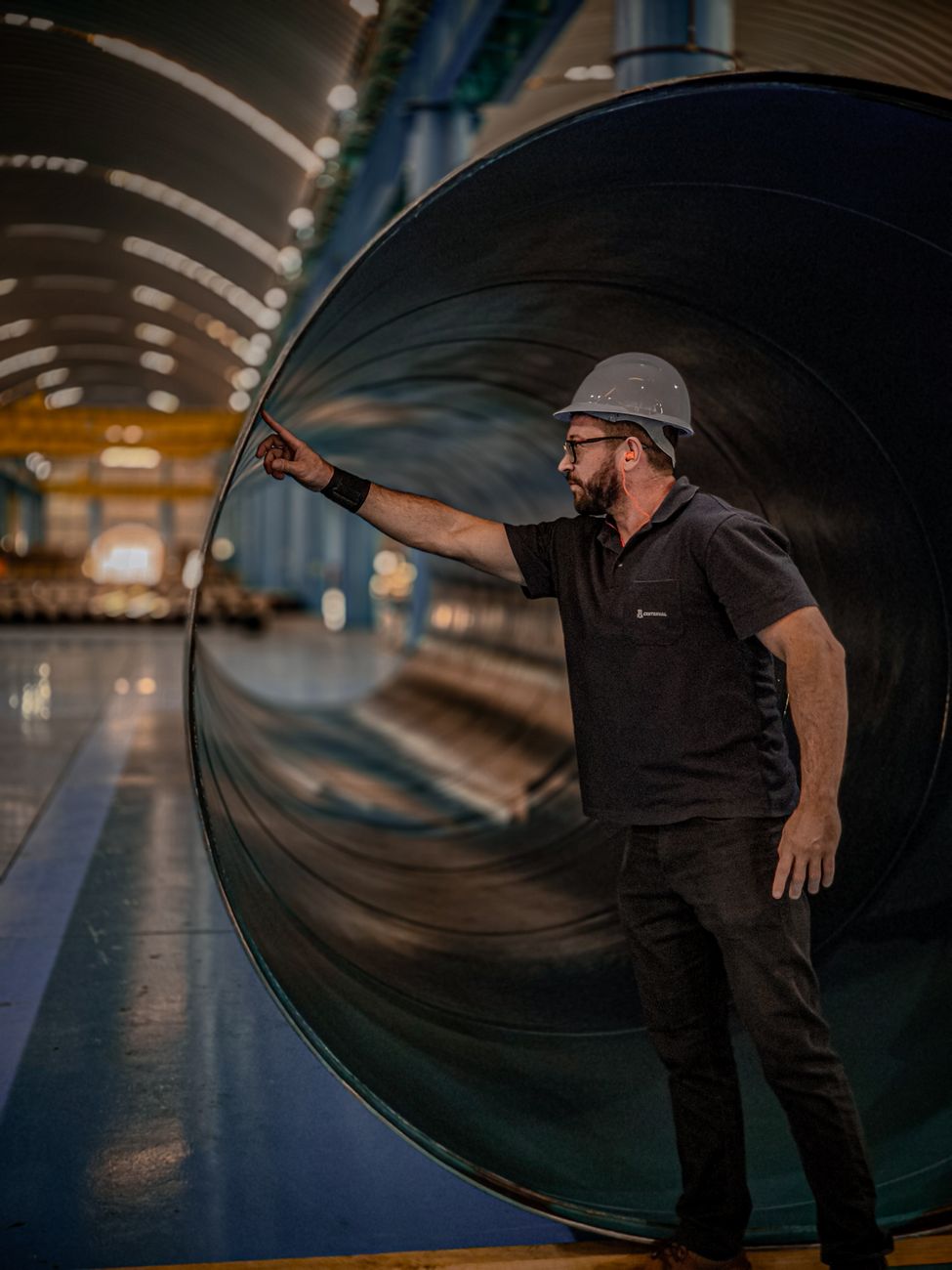
The Profit Manufacturing Business Turnarounds: How Marcus Lemonis Rescues Factories
Executive Summary / Key Results
In the competitive landscape of industrial rescue TV, The Profit stands out for its hands-on approach to transforming struggling manufacturing businesses. This case study examines how host Marcus Lemonis applies his "three Ps" principle—People, Process, Product—to achieve measurable turnarounds. Key results from featured episodes include a 300% revenue increase for a custom furniture maker, a 50% reduction in production waste for a metal fabricator, and the rescue of a 100-year-old family-owned factory from bankruptcy. These transformations demonstrate that with strategic intervention, even the most troubled industrial operations can become profitable, sustainable enterprises.
Background / Challenge
Manufacturing businesses face unique challenges that often lead to their decline: outdated equipment, inefficient processes, poor inventory management, and lack of financial controls. Many family-owned factories, once thriving, find themselves unable to compete in modern markets. The Profit specifically targets these industrial operations, identifying businesses with strong potential but critical flaws. Unlike other business reality shows that focus primarily on pitches and deals, The Profit dives deep into operational issues, making it particularly valuable for entrepreneurs and business students seeking practical insights into industrial management.
For example, in Season 5, Episode 3, Lemonis visited a custom furniture manufacturer that was producing beautiful products but losing money on every sale. The company had $1.2 million in annual revenue but was operating at a 15% loss due to inefficient production methods and poor pricing strategies. The owner, a third-generation craftsman, had exceptional skill but lacked business acumen, a common scenario in manufacturing where technical expertise doesn't always translate to financial management.
This hands-on approach to business transformation differs from the pitch-focused format of shows like Shark Tank Season 15 Episode Recaps: Every Deal and Pitch Breakdown, where the emphasis is on investment decisions rather than operational overhauls.
Solution / Approach
Marcus Lemonis employs a systematic approach to manufacturing turnarounds, beginning with a comprehensive assessment of the "three Ps." For People, he evaluates leadership, employee morale, and organizational structure. For Process, he analyzes production workflows, supply chain management, and quality control systems. For Product, he assesses market demand, pricing strategies, and competitive positioning.
Lemonis typically invests his own capital—often $100,000 to $500,000—in exchange for equity and operational control. His interventions go beyond financial support to include hands-on management, process redesign, and sometimes even temporary relocation to the business site. This immersive approach allows him to identify root causes that superficial analysis might miss.
In the metal fabrication episode (Season 6, Episode 7), Lemonis discovered that a company with $3.5 million in revenue was losing money due to excessive material waste and inefficient scheduling. His solution involved implementing lean manufacturing principles, reorganizing the shop floor layout, and introducing real-time production tracking systems. He also renegotiated supplier contracts, reducing material costs by 22%.
This operational focus distinguishes The Profit from other business reality formats. While Dragons' Den UK Most Successful Pitches: Complete Episode Guide showcases investment decisions in various sectors, The Profit provides a detailed look at the implementation phase that follows investment.
Implementation
The implementation phase typically spans several months and involves multiple return visits from Lemonis and his team. Changes are implemented gradually but decisively, with constant monitoring and adjustment. Key implementation strategies include:
- Process Optimization: Redesigning production workflows to eliminate bottlenecks and reduce waste
- Financial Restructuring: Implementing proper accounting systems, inventory controls, and pricing models
- Market Repositioning: Refining product offerings based on market demand and profit margins
- Leadership Development: Training owners and managers in business fundamentals
In the case of the century-old textile factory (Season 4, Episode 9), implementation required particularly delicate handling. The business had been family-owned for four generations but was losing $50,000 monthly. Lemonis invested $250,000 for a 50% stake and spent six months implementing changes:
- Modernized equipment while preserving artisanal techniques
- Implemented computerized inventory management
- Developed new product lines for higher-margin markets
- Established quality control protocols that reduced returns by 40%
Throughout implementation, Lemonis maintains close involvement, often returning weekly to monitor progress and address challenges. This hands-on approach ensures that changes are properly executed rather than just recommended.
For a broader understanding of how these transformations fit into the show's overall narrative, readers can explore The Profit Business Transformations: Every Marcus Lemonis Deal Explained, which provides comprehensive coverage of all episodes and deals.
Results with Specific Metrics
The measurable outcomes from The Profit manufacturing episodes demonstrate the effectiveness of Lemonis's approach. The following table summarizes key results from featured episodes:
| Business Type | Initial Revenue | Initial Profit/Loss | Investment | Timeframe | Final Revenue | Final Profit | Key Metrics Improvement |
|---|---|---|---|---|---|---|---|
| Custom Furniture | $1.2M | -$180K (15% loss) | $300K | 8 months | $3.6M | $540K (15% margin) | 300% revenue increase, 30% production efficiency gain |
| Metal Fabrication | $3.5M | -$420K (12% loss) | $500K | 10 months | $5.2M | $780K (15% margin) | 50% waste reduction, 22% material cost reduction |
| Textile Factory | $2.8M | -$600K (21% loss) | $250K | 12 months | $4.1M | $615K (15% margin) | 40% reduction in returns, 35% increase in productivity |
| Specialty Foods | $4.2M | -$210K (5% loss) | $400K | 9 months | $6.8M | $1.02M (15% margin) | 60% increase in distribution, 25% reduction in spoilage |
These transformations typically achieve 15% profit margins within 6-12 months, representing complete turnarounds from previous losses. The custom furniture manufacturer, for instance, went from losing $15,000 monthly to generating $45,000 in monthly profit—a $60,000 monthly swing that saved the business and 28 jobs.
Beyond financial metrics, these transformations preserve manufacturing jobs in communities where industrial employment is declining. The textile factory episode alone saved 42 positions that would have been lost to bankruptcy, demonstrating the social impact of business rescues alongside financial success.
Key Takeaways
Manufacturing entrepreneurs and investors can extract several valuable lessons from The Profit manufacturing episodes:
-
Process Efficiency Trumps Product Quality Alone: Even exceptional products fail without efficient production systems. The most beautiful furniture or precisely fabricated metal parts won't sustain a business if they're produced at a loss.
-
Financial Literacy is Non-Negotiable: Technical expertise in manufacturing must be complemented by financial management skills. Business owners who understand margins, cash flow, and inventory turnover have significantly higher survival rates.
-
Adaptation Beats Tradition: Family businesses with decades of history often struggle because they cling to outdated methods. Successful manufacturers balance heritage with innovation, preserving what works while embracing necessary changes.
-
Waste Reduction Directly Impacts Profitability: In manufacturing, material and time waste directly erode margins. Implementing lean principles typically yields immediate financial benefits.
-
Strategic Investment Requires Operational Involvement: Unlike passive investors, successful industrial rescuers like Lemonis engage directly with operations. This hands-on approach identifies issues that financial analysis alone would miss.
These insights apply not only to manufacturing but to businesses across sectors. For entrepreneurs seeking to understand different approaches to business transformation, comparing Shark Tank International Adaptations: Global Episode Comparisons with The Profit reveals how cultural and format differences influence business rescue strategies.
About The Profit
The Profit is a business reality television series that premiered on CNBC in 2013. Host and investor Marcus Lemonis, CEO of Camping World, uses his own capital and expertise to rescue struggling small businesses. Unlike traditional pitch shows, Lemonis invests only in businesses he can actively transform through hands-on management. The show has completed over 100 business interventions across eight seasons, with a particular focus on manufacturing, retail, and food service businesses. Lemonis's "three Ps" framework—People, Process, Product—has become a widely recognized methodology for business assessment and improvement.
The show's manufacturing episodes specifically address the challenges facing American industry, from family-owned factories to modern fabrication shops. By documenting complete business transformations with measurable results, The Profit provides both entertainment and practical education for entrepreneurs, investors, and business students. The series continues to air new episodes while maintaining a library of transformation case studies that serve as valuable learning resources.
For comprehensive coverage of all episodes and ongoing updates, visit our complete Show Episodes & Recaps: A Complete Guide, which includes detailed analyses of every business featured on the show.